Landline Phones Explained: Analog vs Digital vs VoIP (2026 Guide)
A phone landline might seem like a relic from another era, but in 2026, millions of American homes, offices, and institutions still rely on fixed-line telephone service every single day. Whether you need a crystal clear connection for an important business call or a simple, familiar handset for an elderly parent, landlines deliver consistent voice communication that wireless phones often cannot match.
This guide covers everything you need to know about phone landlines today—from the different types of service available to choosing the right equipment for your home or business.
What is a Phone Landline Today?
A modern landline refers to any telephone service delivered to a fixed location, whether through traditional copper wires, fiber-optic cables, or internet-based voip technology. Unlike a cell phone or mobile phone that travels with you, a landline connects to a specific address and stays there. This fixed nature provides reliability and location accuracy that wireless phones simply cannot replicate.
Today’s landline phones come in several forms. Traditional analog service, often called POTS (Plain Old Telephone Service), still runs through copper wiring maintained by major carriers. Digital and fiber-based home phone service routes calls through cable or fiber networks. VoIP-based landlines use your internet connection to deliver voice calls to a standard desk phone or cordless phone. All three options let you stay connected using familiar telephone hardware.
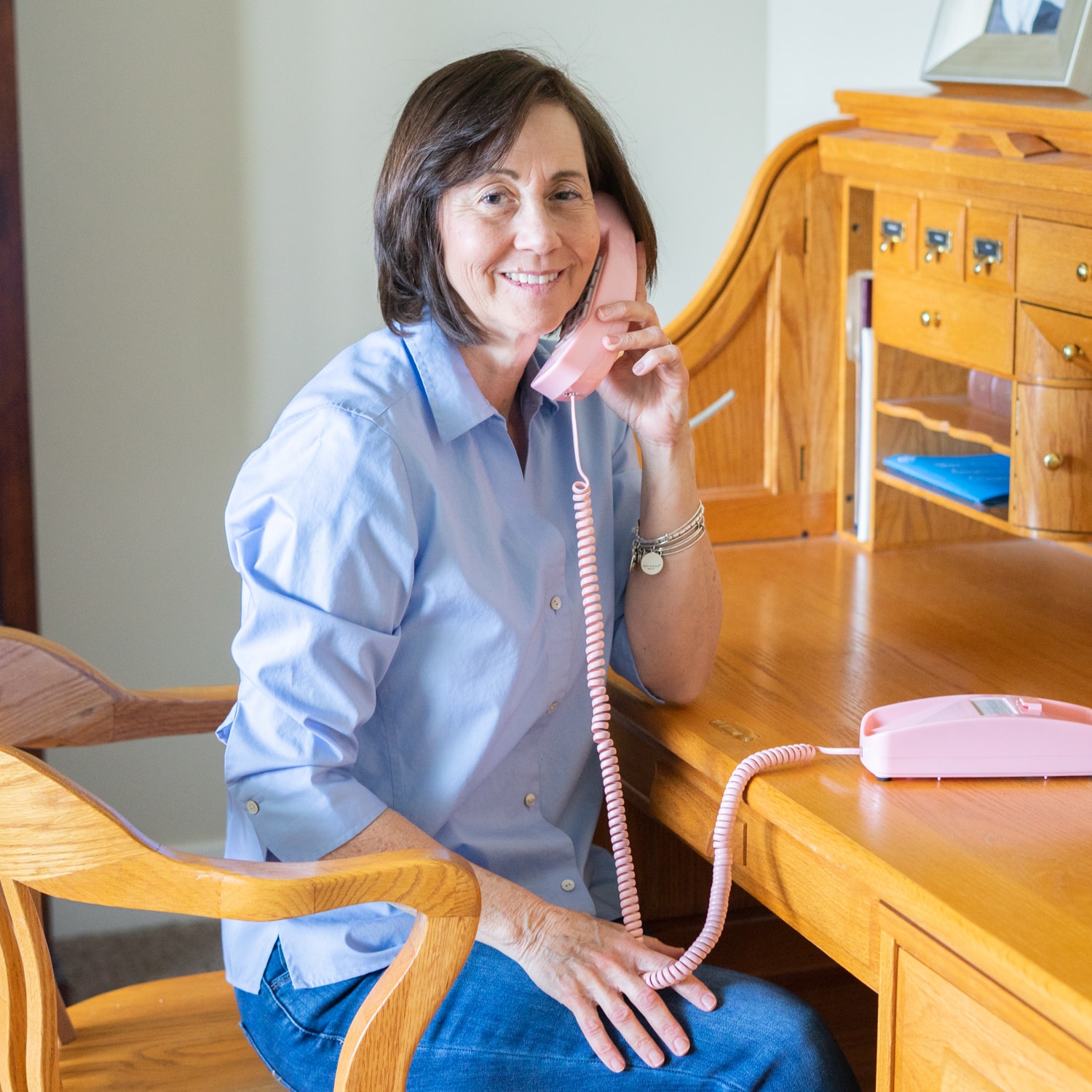
Phone landlines continue powering critical communication across the country. Hospitals use them for nurse call systems and room phones. Hotels install them in every guest room. Government buildings, schools, and assisted-living facilities rely on them for consistent internal and external calling. At iSoHo Phones, we manufacture and supply corded phones, big-button phones, and landline accessories designed specifically for these demanding environments—serving both individual customers and B2B clients who need reliable communication equipment at scale.
![]()
Types of Phone Landlines (Analog, Digital & VoIP)
Understanding the three main types of landline service helps you choose the right option for your needs. Each technology has distinct advantages depending on your priorities—whether that’s pure simplicity, bundled services, or cost savings on long distance calling at low prices.
Traditional analog landlines represent the original phone service technology that has served homes and businesses since the early 1900s. These systems use copper wires running from a central office directly to your premises. Carriers like AT&T and regional telephone companies still maintain these networks in many areas. Analog service provides unmatched simplicity: plug in a corded phone, and you have dial tone. These lines typically work even during power outages because the telephone company provides power through the line itself. The main limitation is that analog service offers fewer features than digital alternatives and may carry per-minute charges for long distance calling.
Digital landlines delivered through fiber or cable networks have become increasingly common. Services like Verizon Fios Digital Voice or Xfinity Voice route your calls through the same infrastructure that provides your internet service. Fios Home Phone uses an IP-based network connection to make direct-dialed domestic and overseas calls, and it is a VoIP-based telephone service for residential Verizon customers. These plans often bundle phone with TV and internet at a single monthly price, making them attractive for customers who want everything from one provider. Digital landlines typically include features like caller id, call waiting, voicemail, and unlimited local calling as standard. The tradeoff is that these services usually require power and your internet connection to function, so a backup battery becomes important for emergency situations.
VoIP landline-style service uses your internet connection to transmit voice calls as data packets rather than traditional phone signals. VoIP technology can offer clearer call quality compared to traditional landline services. Businesses often deploy VoIP through office PBX systems, while home users can connect an adapter (called an ATA) to their modem and plug in a standard desk phone. VoIP services frequently offer the lowest prices for international calling and may include features like call forwarding to your mobile phone, simultaneous ring across multiple devices, and visual voicemail access through apps. The primary consideration is that call quality depends entirely on your internet service reliability.
CenturyLink provides a crystal-clear connection for its landline phone service, and their landline phone plans provide reliable service at low prices. CenturyLink also offers flexible and affordable international calling plans.
Why Landlines Still Matter in 2026
Despite the ubiquity of wireless phones, phone landlines remain essential for specific situations where reliability, accessibility, and fixed-location communication matter most.
Power and network outages reveal the true value of traditional landline service. When storms knock out electricity and cellular towers become overloaded, a copper-based analog line often keeps working. The telephone company’s central office provides power directly through the line, meaning a simple corded phone requires no external electricity. Even digital and VoIP landlines can maintain service during brief outages if equipped with a backup battery at the modem or base station. This reliability makes landlines critical for emergency situations when you need to reach 911 or contact family members.
Seniors and people with hearing or vision impairments often find landlines far easier to use than smartphones. A large corded phone with big buttons sits in one familiar spot, requires no charging, and offers a loud, amplified ringer that ensures incoming calls never go unnoticed. There are no apps to navigate, no touchscreens to accidentally trigger, and no software updates to manage. For an 82-year-old with arthritis or reduced vision, pressing large tactile buttons beats swiping on a tiny glass screen every time. Many assisted-living facilities and nursing homes install big-button corded phones in every resident room specifically because they provide accessible, reliable communication for their population.
Businesses, hotels, schools, and government offices continue relying on desk phones for professional communication. A hotel guest expects a room phone for calling the front desk or requesting services. Hospital patients need bedside phones to reach nurses and contact family. Office workers use desk phones for conference calls, direct dialed calls with clients, and internal extensions. These institutional environments value the simplicity of picking up a handset and dialing without worrying about battery life, cellular signal, or app compatibility.
Core Features of Modern Landline Phones
Today’s landline phones offer a range of features that have evolved significantly since the rotary dial era. Understanding what’s available helps you select equipment that matches your actual needs.
Standard features found on most modern corded and cordless phones include caller id to display incoming calls before you answer, call waiting to alert you when a second call arrives, three-way calling for conference conversations, redial for quickly reconnecting to the last number you dialed, and speed dial buttons for one-touch access to frequently called friends and family numbers. Most phones also support connection to an answering machine or have a built-in answering system that records messages when you’re unavailable.
Digital and VoIP phone service providers add advanced capabilities beyond basic calling. Call forwarding lets you redirect incoming calls to your mobile phone when you’re away from home. Visual voicemail displays message transcripts on your phone or through an app. You can get a transcript of your latest voicemails sent to your email. You can manage your home phone service from anywhere using a web portal. A smart call blocker can automatically block and reject robocalls and spam before your phone even rings, helping to prevent unwanted disturbances. Simultaneous ring causes both your landline and cell to ring together so you never miss important calls. Some services even support video calling through compatible equipment. Other features include advanced call management and storage options.
Hardware features on physical handsets have improved substantially. Backlit keypads make dialing easier in dim rooms. Built-in speakerphones allow hands-free conversations. Wall-mount options provide flexibility for kitchens and offices. Longer handset cords—coiled cords that extend from one foot to six feet when stretched—give you freedom to move around while talking. iSoHo Phones designs corded big-button phones that combine these practical hardware features with easy dialing interfaces and loud, adjustable ringers specifically for customers who prioritize simplicity and accessibility.
Accessibility: Landline Phones for Seniors & Users with Impairments
Accessibility represents one of the strongest arguments for maintaining phone landlines in 2026. For millions of Americans with age-related challenges or disabilities, a well-designed landline phone provides communication independence that smartphones cannot match.
Seniors often prefer landlines because they offer consistent audio quality, physical buttons they can feel, and a device that stays in one predictable location. There’s no need to remember where you left your phone, no battery anxiety, and no confusing app interfaces. When your 82-year-old mother needs to call you, she simply picks up the handset and presses a single memory button with your name on it. That simplicity provides peace of mind for both seniors and their families.
Big-button phones feature oversized high-contrast keys that are easy to see and press. Clear labeling—often with large printed numbers and letters—helps users with reduced vision identify each button quickly. One-touch memory buttons along the side or top of the phone allow programming of essential numbers for family, caregivers, or emergency contacts. A daughter setting up a phone for her elderly mother can program these buttons once, then her mother simply presses “Sarah” or “Doctor” to connect with one touch.
Amplified sound phones address hearing impairments with adjustable volume controls that boost incoming audio by 30 to 40 decibels above standard levels. Tone control lets users adjust frequencies to match their specific hearing profile. Extra-loud ringtones—sometimes reaching 90+ decibels—ensure that incoming calls get noticed even in other rooms or by users with significant hearing loss.
Visual aids complement audio features for comprehensive accessibility. Bright flashing ring indicators alert users who may not hear the ringer. Large-print labels and high-contrast displays make reading caller id information and time displays easier. Some models include backlit screens that remain readable in various lighting conditions.
iSoHo Phones specializes in manufacturing these senior-friendly corded phones and landline accessories. Our products serve individual customers equipping homes for aging parents, as well as institutional buyers outfitting assisted-living facilities, hospitals, and nursing homes with accessible communication equipment for every room.
![]()
Landline Phone Equipment & Accessories
Beyond the telephone handset itself, a complete landline setup involves various physical components and accessories that ensure reliable operation and convenient use.
Common phone equipment includes desk phones that sit on tables or counters, wall-mount phones designed for kitchens and office corridors, base stations with multiple cordless handsets for coverage throughout a home, and specialized emergency hallway phones found in institutional settings like hotels and hospitals. Each form factor serves different needs—a compact desk phone works well in a home office, while wall-mount units save counter space in busy kitchens.
Key accessories that support landline functionality include:
-
Handset cords in various lengths (standard 6-foot and extended 12-foot coiled cords) that connect the earpiece to the phone base
-
Line cords that run from wall jacks to phone bases, available in lengths from 7 feet to 25 feet or more
-
Splitter adapters that allow two phones or a phone plus fax machine to share a single wall jack
-
Wall plates and surface-mount jacks for adding phone connections in rooms without existing wiring
-
Replacement dialpad overlays and large-print button labels for accessibility upgrades
Replacing worn handset cords represents one of the simplest maintenance tasks that dramatically improves call quality. Old, kinked, or frayed cords cause crackling, static, and intermittent connections. A fresh handset cord often eliminates these problems instantly. Longer cords also provide practical benefits—a 12-foot coiled cord lets you walk around a bedroom or reach across a large desk while talking.
Commercial and government clients require specialized equipment that meets institutional standards. Lobby phones in hotels provide guests with house phone access. Hospital room phones need to integrate with nurse call systems. Durable institutional designs withstand heavy use in schools and government buildings. iSoHo Phones supplies both consumer and bulk wholesale equipment for these applications, serving hotels, clinics, schools, and government agencies across the United States with corded phones and accessories designed for demanding environments.
Call Management Systems
Modern home phone service goes far beyond simply making and receiving calls. Advanced call management systems empower users to take full control of their communication experience, offering a suite of features designed to streamline and enhance every interaction. With caller ID, you can instantly see who’s calling before you pick up, while call waiting ensures you never miss an important call—even when you’re already on the line.
Smart call blockers are a game-changer for anyone tired of robocalls and spam, automatically screening out unwanted incoming calls so your phone only rings for the people who matter. Call forwarding lets you redirect calls to your mobile phone or another number, ensuring you stay connected wherever you are. Managing your phone service is easier than ever, with many providers offering online portals or mobile apps that let you access voicemails, adjust settings, and control features from anywhere with an internet connection.
Three-way calling makes it simple to connect with multiple friends, family members, or colleagues at once, perfect for coordinating plans or holding quick conference calls. Many home phone services also integrate seamlessly with other services, such as internet and TV, providing a comprehensive solution that keeps you in control and connected at all times. With these advanced call management features, your home phone becomes a powerful tool for managing both personal and professional communication.
Connectivity Options
Today’s home phone service offers a wide array of connectivity options to fit every lifestyle and household. Whether you prefer the classic reliability of a corded phone, the freedom of a cordless handset, or the convenience of wireless phones, there’s a solution designed for you. Corded phones are ideal for those who value simplicity and uninterrupted service, while cordless systems let you move freely throughout your home without missing a call.
For tech-savvy users, Bluetooth connect technology opens up even more possibilities. You can pair your home phone with personal digital assistants, computers, or even your mobile phone, making it easy to manage calls and contacts across all your devices. Many internet service providers now bundle home phone service with their internet plans, offering a reliable and affordable way to stay connected without juggling multiple bills.
Some home phone services even allow you to link your landline with your mobile phone, so you can answer calls on the go or transfer calls seamlessly between devices. Whether you’re working from a home office, managing a busy household, or simply want the peace of mind that comes with a dedicated phone line, these connectivity options ensure your phone service adapts to your needs and keeps you connected wherever life takes you.
Comparison to Cell Phones
When weighing the benefits of landline phones against cell phones, it’s important to consider what matters most for your communication needs. Landline phones are renowned for their stable and secure connections, offering a crystal clear connection that isn’t affected by fluctuating signal strength or internet outages. This reliability is especially valuable for important calls, whether you’re catching up with family or handling business matters. With features like unlimited nationwide calling, caller ID, call waiting, and voicemail, landline phones make it easy to manage incoming calls and stay connected without interruption.
Landline phones also tend to offer lower international calling rates, making it more affordable to reach friends and family around the world. Advanced features such as caller ID call and call waiting ensure you never miss an important conversation, while voicemail lets you catch up on messages at your convenience. Plus, landlines are less prone to dropped calls, so you can count on a consistent, high-quality experience every time you pick up the phone.
On the other hand, cell phones provide unmatched flexibility and mobility, allowing you to make and receive calls from virtually anywhere. For those who are always on the move, a cell phone is a convenient option that fits a busy lifestyle. However, cell phones can be affected by weak signals, network congestion, or limited data coverage, which may impact call quality.
Ultimately, the choice between a landline phone and a cell phone comes down to your personal preferences, budget, and communication habits. If you value advanced features, unlimited nationwide calling, and a crystal clear connection, a landline phone is a strong choice for your home or office. If mobility and on-the-go access are your top priorities, a cell phone may be the better fit. Many households find that using both types of phones offers the best of both worlds, ensuring they stay connected in any situation.
International & Long-Distance Calling from Landlines
Making calls beyond your local area has changed dramatically over the decades. Understanding your options helps you choose a phone service plan that matches your calling patterns without unexpected fees.
Traditional landline service historically charged per-minute rates for long distance and international calling. In the 1990s and 2000s, customers often used calling cards or selected specific long distance carriers to reduce costs on calls outside their local area. International calling rates varied widely depending on the destination country, and a 30-minute call overseas could easily cost $20 or more. These per-minute charges made many people reluctant to call friends and family abroad frequently.
Modern phone service has simplified this considerably. Many digital and VoIP landline plans now include unlimited nationwide calling at a flat monthly rate—no more worrying about charges for calling across state lines. International calling plans offer predictable rates to 90 or more countries, often just pennies per minute to popular international destinations. VoIP services frequently provide the lowest international calling rates, sometimes including free calls to landlines in certain countries as part of premium plans.
Consider a practical example: a family in Texas uses their home phone to call relatives in the United Kingdom every Sunday afternoon. With an international calling plan added to their phone service, these weekly 45-minute calls might cost $3-5 total per month rather than the $30+ they would have paid under traditional per-minute rates. Calling grandparents in Mexico City becomes similarly affordable. One important detail to know: carriers often charge different rates for calls to mobile numbers versus landlines in other countries, so checking your plan details for specific international destinations matters when estimating costs.
Power Outage Protection
Staying connected during emergencies is a top priority, and modern home phone services are designed with power outage protection in mind. Many systems include a backup battery or alternative power source, ensuring your phone remains operational even when the lights go out. This means you can continue to make calls, receive incoming calls, and access emergency services when you need them most.
VoIP technology has advanced to provide reliable service during outages, especially when paired with a backup battery for your modem or base station. If your primary home phone is unavailable, call forwarding features allow you to redirect calls to your cell phone or another device, so you never miss an important message or emergency alert. This level of redundancy ensures that, whether you’re dealing with a brief blackout or a major storm, your home phone service keeps you connected to family, friends, and emergency responders.
With these features in place, you can rest easy knowing that your phone service is prepared for the unexpected, providing peace of mind and uninterrupted communication when it matters most.
Sound Quality and Clarity
One of the standout benefits of home phone service is its commitment to delivering a crystal clear connection on every call. Thanks to advanced technologies like fiber-optic connections and digital signal processing, today’s landline phones offer exceptional sound quality with minimal interference or dropped calls. Features such as noise reduction and echo cancellation further enhance clarity, ensuring that every conversation is easy to hear and understand.
Caller ID and call waiting not only help you manage incoming calls but also contribute to a smoother, more enjoyable calling experience by reducing interruptions and allowing you to prioritize important conversations. Whether you’re catching up with friends, coordinating with family, or handling business matters, you can count on your home phone service to provide reliable, high-quality audio.
With a focus on sound quality and clarity, modern home phone services make it easy to stay connected and enjoy every conversation, free from static, distortion, or missed words.
Choosing the Right Landline Phone & Service
Selecting appropriate landline equipment and service requires matching available options to your specific situation. A few key questions help guide the decision.
Start by assessing your needs. How many people in your home or office will use the phone? Do any users need amplified sound, visual alerts, or big buttons for accessibility? How frequently do you make long distance or international calls? Is your location served by reliable internet service, or do you experience frequent outages? Answering these questions narrows your options considerably.
Choosing between analog, digital, and VoIP service depends on your priorities. Analog POTS service provides maximum reliability and works during power outages with a simple corded phone—ideal for rural areas or emergency backup lines. Digital service through cable or fiber bundles well with internet and TV, often including features like voicemail and caller id at no extra charge. VoIP delivers the most features and lowest long distance rates but requires stable internet service and a backup battery to function during outages. Many providers allow you to transfer all your incoming calls to your cell phone when away, adding flexibility for busy households.
When considering bundled services, you only pay for what you need—combining internet, home phone, and TV plans can be cost-effective and flexible.
Hardware selection follows from your service choice and user needs. Simple corded phones offer maximum reliability with no batteries to charge and no complex features to learn—perfect for emergency backup lines and senior users. Cordless phone systems with multiple handsets work well for multi-room homes where you want to answer calls from any location. Big-button and amplified models serve seniors and users with hearing or vision impairments. For office environments, desk phones with speakerphone and hold buttons support professional calling needs.
You can also manage your home phone service online through a web portal, making it easy to adjust features and settings as needed.
iSoHo Phones helps customers match the right phone designs, cords, and accessories to their specific requirements. Whether you’re setting up a single corded phone for an elderly parent or deploying dozens of room phones across a hotel property, we provide equipment designed for reliability and accessibility across both residential and institutional applications.
Home Phone and Landline Plans
Finding the right home phone and landline plan is easier than ever, with a variety of providers offering flexible options to suit every household and budget. Many plans include unlimited local and nationwide calling, so you can chat with friends and family across the country without worrying about extra charges. For those with loved ones abroad, international calling options make it affordable to stay connected around the world.
Home phone and landline plans are highly customizable, allowing you to choose features like caller ID, voicemail, and call forwarding to match your specific needs. Leading providers such as CenturyLink and Verizon offer reliable service at competitive prices, with plans starting at low monthly rates and the ability to bundle with internet or TV for added savings.
With so many choices available, you can select a plan that fits your lifestyle—whether you need basic service for peace of mind, advanced features for a busy household, or international calling to keep in touch with family overseas. No matter your needs, home phone and landline plans make it simple to stay connected with the people who matter most, both near and far.
Landline Phone Service Providers
Choosing the right landline phone service provider is key to getting the most out of your home phone service. Leading providers like Xfinity, Verizon, and CenturyLink offer a variety of plans designed to fit different needs and budgets. Most providers include unlimited nationwide calling, caller ID, voicemail, and advanced features such as call waiting and international calling, so you can enjoy a comprehensive phone service with all the essentials.
When comparing providers, consider factors like monthly price, available features, and the quality of customer service. Some companies offer bundle deals that combine phone, internet, and TV services, making it easy to manage your bills and often saving you money in the process. It’s also important to check the provider’s coverage in your area, as well as their reputation for reliability and uptime—after all, you want your phone service to be there when you need it most.
Reading customer reviews and comparing plan details can help you find the best fit for your household or business. Look for providers that offer flexible plans, transparent pricing, and responsive support. If international calling is important to you, review the rates and included destinations to ensure you get the best value. With so many options available, you can find a landline phone service that delivers the features, reliability, and peace of mind you need to stay connected.
Setting Up and Maintaining a Landline Phone System
Getting a landline phone operational requires minimal effort for basic home installations. More complex business or institutional deployments involve additional coordination but follow similar principles.
Basic setup involves connecting a line cord from your wall jack to the phone base, attaching the handset cord between the earpiece and the base unit, then picking up the handset to confirm dial tone. Once you hear dial tone, test by calling your own number from a mobile phone to verify incoming calls ring properly. Program speed dial buttons with important numbers for family, friends, doctors, or other frequently called contacts. If your phone has an answering machine or answering system, record an outgoing greeting and test message retrieval.
For business or institutional settings, installation typically requires coordinating with IT or facilities teams. Multi-line office phones need connection to PBX systems or VoIP adapters. Wiring multiple extensions throughout a building may require professional installation. When deploying VoIP-based desk phones, network configuration ensures call quality remains stable even when other office data traffic is heavy.
Ongoing maintenance keeps your landline system functioning reliably:
-
Periodically inspect handset cords and line cords for kinks, fraying, or damage—replace worn cords promptly to eliminate static and crackling
-
Clean keypads and handsets with appropriate cleaning products to maintain hygiene and button responsiveness
-
Test ringer volume periodically to ensure incoming calls remain audible throughout the room
-
Confirm 911 dialing works correctly, especially after any service changes or equipment replacements
-
Check backup battery charge levels on cordless phone bases and VoIP equipment to ensure emergency operation during outages
A common upgrade scenario: a small medical clinic decides their 15-year-old desk phones have become unreliable. They purchase new corded phones from iSoHo Phones that work with their existing wall wiring. Installation simply involves unplugging old phones and connecting new ones to the same jacks—no rewiring required. The new phones provide clearer audio, easier dialing, and modern features while using infrastructure already in place.
![]()
Troubleshooting Common Issues
Even with the most reliable landline phone service, occasional issues can arise. If you’re experiencing problems, start by checking that all cords and connections are securely plugged in. Restarting your phone or cordless phone base can often resolve minor glitches. For caller ID or voicemail issues, review your phone’s settings or consult your provider’s support resources to ensure these features are properly activated.
If you’re having trouble with international calling, double-check your plan details to confirm you have the necessary features and minutes for your intended destinations. For dropped calls or poor call quality, inspect your phone’s cords for damage and consider upgrading to a newer model or switching to a provider with better service in your area. Using a backup battery or a cordless phone with battery backup can help you stay connected during power outages.
Don’t hesitate to reach out to your provider’s customer support for help with persistent issues—they can guide you through troubleshooting steps or arrange for repairs if needed. Regularly updating your phone’s software or firmware, if applicable, can also improve performance and resolve common bugs. By staying proactive and addressing issues promptly, you can ensure your landline phone continues to deliver reliable calls, clear sound, and all the features you depend on.
Future of Phone Landlines
The telecommunications industry continues evolving, but phone landlines remain relevant for specific applications where their unique advantages matter most.
Carriers across the United States are gradually transitioning from pure copper analog networks to digital and VoIP platforms. This “copper sunset” means traditional POTS service becomes harder to obtain in some areas as telephone companies retire aging infrastructure. However, this shift doesn’t eliminate landlines—it changes the underlying technology. Fiber-to-the-home deployments often include voice service alongside internet. Cable companies bundle phone with their data offerings. VoIP adapters let customers maintain landline numbers and physical telephones even as the network behind them becomes fully digital.
Despite these technological transitions, steady demand persists for physical telephone equipment. Hospitals need room phones and nurse stations. Hotels install phones in every guest room as a standard amenity. Government buildings maintain desk phones for official communications. Senior living communities and individual households with elderly residents value accessible, reliable corded phones that don’t require charging or internet expertise. These use cases ensure that even as networks modernize, the physical telephone handset remains a fixture in millions of American locations.
Emerging trends point toward integration rather than replacement. Manufacturers develop landline-style phones that connect to internet-based services while preserving the simple, familiar hardware interface that customers appreciate. Desk phones gain features like bluetooth connect capability for pairing with mobile devices. Visual voicemail and smart call blocker functions arrive through digital services while users still dial and answer using traditional handsets.
At iSoHo Phones, we’re committed to preserving reliable, accessible corded telephony while adapting our product designs for evolving network technologies. Our customers whether individual consumers seeking a dependable phone for an aging parent or institutional buyers outfitting entire facilities—can count on equipment that works with both legacy and modern phone service platforms. The need for clear voice communication at fixed locations isn’t disappearing. We’re here to ensure the right telephone equipment remains available for every customer who values that connection.
Business Landline Phone Service
For offices and businesses of all sizes, a dedicated business landline phone service remains a cornerstone of professional communication. With unlimited nationwide calling, companies can stay connected with clients, partners, and remote teams across the country without worrying about fluctuating costs or call limits. Landline phones deliver a crystal clear connection, ensuring every conversation is heard without interference—crucial for important client calls, conference meetings, and daily operations.
Advanced features like caller ID and call waiting empower businesses to manage incoming calls efficiently, allowing staff to identify callers at a glance and prioritize urgent communications. Call forwarding ensures that important calls reach the right person, whether they’re at their desk or working remotely, helping your office stay connected and responsive at all times. For businesses with international reach, tailored plans offer competitive international calling rates, making it easy and affordable to connect with partners and customers around the world.
Modern business phone service can be seamlessly integrated with your internet service and other office systems, streamlining workflows and boosting productivity. Smart call blockers help minimize interruptions from spam or robocalls, so your team can focus on what matters most. With a range of customizable plans, low prices, and robust features, business landline phone service provides the reliability, flexibility, and advanced tools your company needs to thrive in today’s fast-paced environment.
Landline Phone Maintenance
Keeping your landline phone service running smoothly requires a proactive approach to maintenance and a keen eye on both technology and service details. Regularly inspect your phone line for any physical damage, such as frayed cords or loose connections, to prevent disruptions in service. For those using digital or VoIP landline phones, it’s important to verify your internet connection and update your modem as needed to ensure optimal call quality and access to advanced features.
Modern landline systems often include cordless phone options and backup battery support, providing added convenience and peace of mind during power outages. Many services also offer integration with personal digital assistants and wireless phones, allowing you to manage calls, access voicemail, and stay connected with friends and family from anywhere in your home or office. An answering system or voicemail feature ensures you never miss important messages, even when you’re away.
To get the most from your phone service, stay informed about any fees, taxes, and charges associated with your plan, especially for long distance calling and international destinations. Regularly reviewing your service details helps you avoid unexpected costs and ensures you’re taking full advantage of available features. By performing routine maintenance and staying up to date with your provider’s offerings, you can enjoy reliable, efficient landline phone service that keeps you connected to the people and services that matter most.